


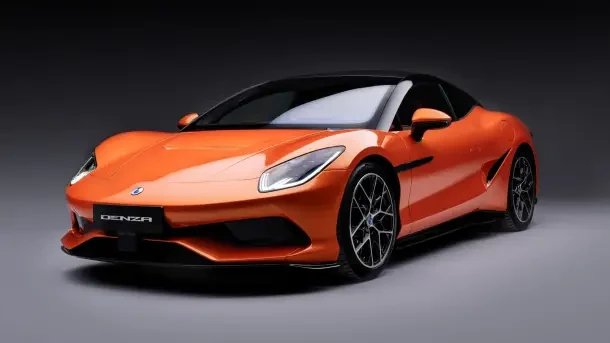
The world of electric mobility just reached a new level. With the Denza Z, a brand under the BYD umbrella has unveiled an all-electric supercar that aims to take on established players from Europe and the United States. Power, acceleration, and charging times are setting new benchmarks — and it’s doing so with surprisingly different technology.
Brutal Performance on Four Wheels
The Denza Z features three electric motors: one at the front and two at the rear. Combined, they deliver 1,180 kW — roughly 1,600 horsepower. The result? A 0-60 mph sprint in just 1.96 seconds, with a top speed of up to 350 km/h (about 217 mph). This positions the model firmly in hypercar territory, directly challenging competitors like Porsche, Ferrari, and Tesla.
One standout feature is the 2+2 seating arrangement. While many supercars are strict two-seaters, the Denza Z offers space for four passengers plus a trunk — a nod to slightly better everyday usability at hypercar performance levels. Body styles include Coupé, Spider, and a Racing version. A special Nürburgring edition is even planned to chase lap records on the famous Nordschleife this fall.
Blade Battery 2.0: LFP Chemistry Instead of NMC
What’s unusual for this vehicle class is the battery chemistry. Instead of the typical NMC cells (nickel-manganese-cobalt) found in most high-performance EVs, Denza is using the second generation of its Blade Battery with LFP (lithium iron phosphate) chemistry. LFP is known for being more robust and safer but traditionally offers lower energy density.
BYD has addressed this with targeted improvements: optimized electrode structures and an enhanced SEI layer are said to deliver higher energy density while enabling ultra-fast charging. The estimated battery capacity is around 120 kWh — enough for respectable range combined with longevity and safety.
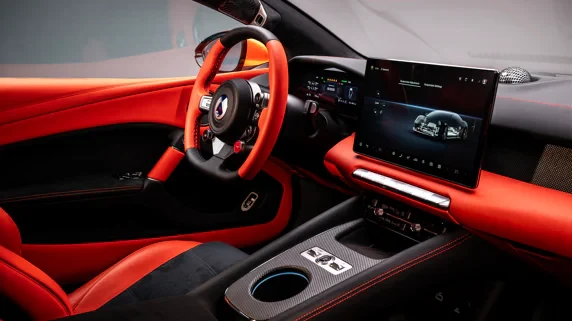
Flash Charging: Nearly Full in Nine Minutes
The real headline is the charging speed. Denza claims the battery can go from 10% to 97% in just nine minutes using Flash Charging. That requires an infrastructure capable of up to 1,500 kW — far beyond today’s CCS chargers in the US and Europe. At very cold temperatures (down to -30°C / -22°F), times increase accordingly. Still, if this system becomes widely available, it could be a game-changer for high-performance electric vehicles.
A Clear Message to the Established Competition
With cars like the Denza Z, Chinese manufacturers are showing they’re no longer content to dominate only the mass market. They’re going straight after the premium and performance segments with technology that leads in several areas. Adaptive damping (DiSus-M), all-wheel drive, and a dedicated performance platform (e3) underline the serious intent.
Whether the Denza Z can truly challenge European and American sports cars in the US and Europe will depend on pricing, availability, and charging infrastructure. But one thing is clear: the future of supercars is becoming more electric — and potentially more Chinese — than many expected.
Can you afford not to enter the Chinese market? Talk to us, we’ll help you succeed in China.